Residential vs Commercial Painting: What’s the Difference (and Why It Matters)
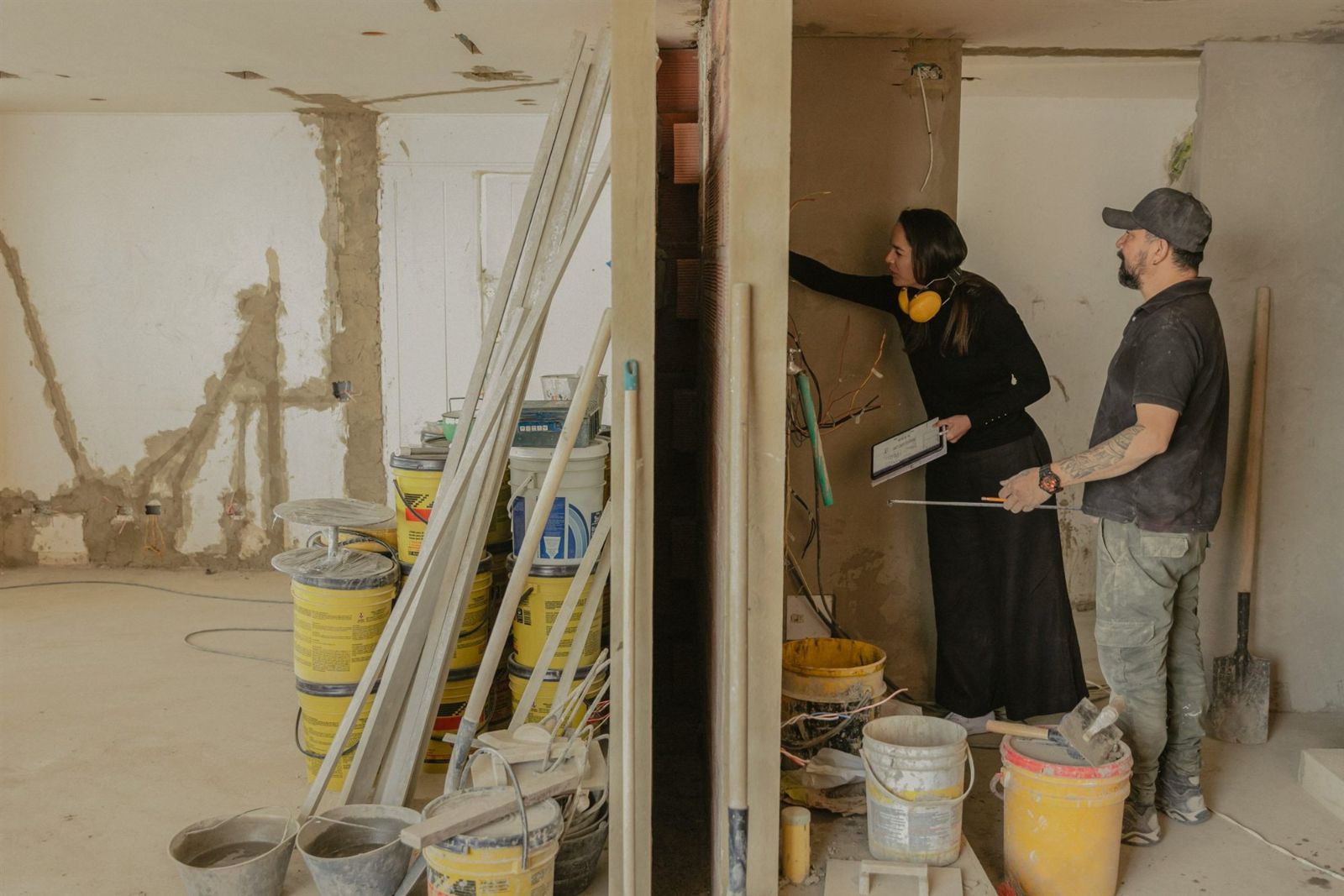
If you’re planning a painting project, one of the first questions to answer is whether you need residential painting services or commercial painting services.
While both involve applying paint to surfaces, the scope, materials, scheduling, and overall approach can be very different. Understanding these differences helps homeowners, business owners, and property managers choose the right contractor — and avoid costly mistakes.
Below is a clear breakdown of residential vs commercial painting, and why choosing the right type of painter matters.
What Is Residential Painting?
Residential painting includes projects in:
- Single-family homes
- Townhomes and condos
- Apartments (individual units)
- Interior and exterior home surfaces
The focus is on enhancing appearance, comfort, and property value.
Typical residential services include:
- Interior wall painting
- Exterior siding and trim painting
- Cabinet refinishing
- Ceiling and trim work
If you’re updating your home, working with experienced professionals like M. Carlson Painting ensures high-quality results tailored to your space.
What Is Commercial Painting?
Commercial painting involves larger-scale projects such as:
- Office buildings
- Retail spaces
- Warehouses
- Multi-family complexes
- Industrial facilities
The focus is on durability, safety, and efficiency.
Commercial painting projects often require:
- Larger crews
- Specialized equipment
- Flexible scheduling
- Compliance with safety standards
Our commercial painting services are designed to handle these complex environments while minimizing disruption to operations.
Key Differences Between Residential and Commercial Painting
1. Scope and Project Size
Residential painting projects are typically smaller and more detailed.
Commercial projects are larger in scale and may involve:
- Multiple floors
- Large surface areas
- Exterior facades
- High ceilings or hard-to-reach areas
This difference impacts labor, equipment, and timelines.
2. Materials and Coatings
The type of paint used varies significantly between residential and commercial work.
Residential coatings focus on:
- Aesthetic finish
- Washability
- Color consistency
Commercial coatings prioritize:
- Durability
- Resistance to wear and tear
- Easy maintenance
- Safety and compliance
Sherwin-Williams provides guidance on selecting coatings based on environment and usage.
Using the right product ensures long-term performance in each setting.
3. Scheduling and Flexibility
Residential painting typically happens during standard working hours and is planned around homeowner schedules.
Commercial painting often requires:
- Nights or weekends
- Phased work to avoid business disruption
- Coordination with multiple stakeholders
For businesses, minimizing downtime is critical.
4. Preparation and Safety Requirements
Both types of painting require prep work, but commercial projects often involve stricter requirements.
Commercial preparation may include:
- Safety barriers
- Equipment like lifts and scaffolding
- Compliance with building regulations
Residential prep focuses more on:
- Protecting furniture and flooring
- Detailed surface repairs
- Clean work environments
Learn more about how we approach prep and application in our interior painting services.
5. Level of Detail and Finish
Residential painting emphasizes precision and visual appeal.
Homeowners expect:
- Clean cut lines
- Smooth finishes
- Consistent color
Commercial painting balances appearance with efficiency and durability.
For example:
- Office spaces require clean finishes
- Warehouses prioritize durability over aesthetics
6. Timeline Expectations
Residential painting projects often take:
- A few days to a week
Commercial projects can range from:
- Several days to several weeks
Timeline depends on:
- Size
- Accessibility
- Scheduling requirements
Professional painting contractors plan timelines carefully to ensure efficiency without sacrificing quality.
7. Maintenance and Longevity
Commercial properties typically require more frequent maintenance due to higher traffic.
Residential paint lasts longer in low-traffic environments but still requires upkeep.
Sherwin-Williams highlights how proper surface preparation and application impact long-term performance.
Choosing the right contractor helps extend the lifespan of both residential and commercial paint.
Interior vs Exterior Considerations
Both residential and commercial painting include interior and exterior work — but the approach differs.
Interior Painting
Residential:
- Focus on comfort and style
- Color selection plays a major role
Commercial:
- Focus on durability and cleanliness
- Neutral tones often preferred
Exterior Painting
- Curb appeal and protection
- Weather resistance
- Brand image
- Long-term durability
Our exterior painting services are designed to protect properties from Minnesota’s harsh climate.
Why Hiring the Right Type of Painter Matters
Choosing a contractor experienced in the type of project you need is critical.
Hiring a residential painter for a commercial job (or vice versa) can lead to:
- Incorrect product selection
- Inefficient timelines
- Poor durability
- Higher long-term costs
At M. Carlson Painting, we offer both residential and commercial expertise, ensuring each project is handled with the right approach.
Minnesota-Specific Considerations
Minnesota’s climate adds another layer of complexity.
Both residential and commercial properties must withstand:
- Freeze-thaw cycles
- Snow and ice
- Humidity changes
- UV exposure
This makes product selection, prep work, and timing even more important.
Working with experienced local painting contractors ensures your project is designed for these conditions.
Which Service Do You Need?
If you’re unsure whether your project falls under residential or commercial painting, consider:
Choose residential painting services if:
- You’re painting a home or personal living space
- Aesthetic detail is a priority
- The project involves cabinets, trim, or interiors
Choose commercial painting services if:
- You manage a business or multi-unit property
- Durability and efficiency are key
- Work must be scheduled around operations
If you’re still unsure, a professional consultation can help determine the right approach.
The Bottom Line
While residential and commercial painting may seem similar, they require different strategies, materials, and execution.
Understanding these differences helps you:
- Choose the right contractor
- Set realistic expectations
- Protect your investment
- Achieve long-lasting results