How to Choose Between Painting, Staining & Refinishing for Your Home’s Surfaces
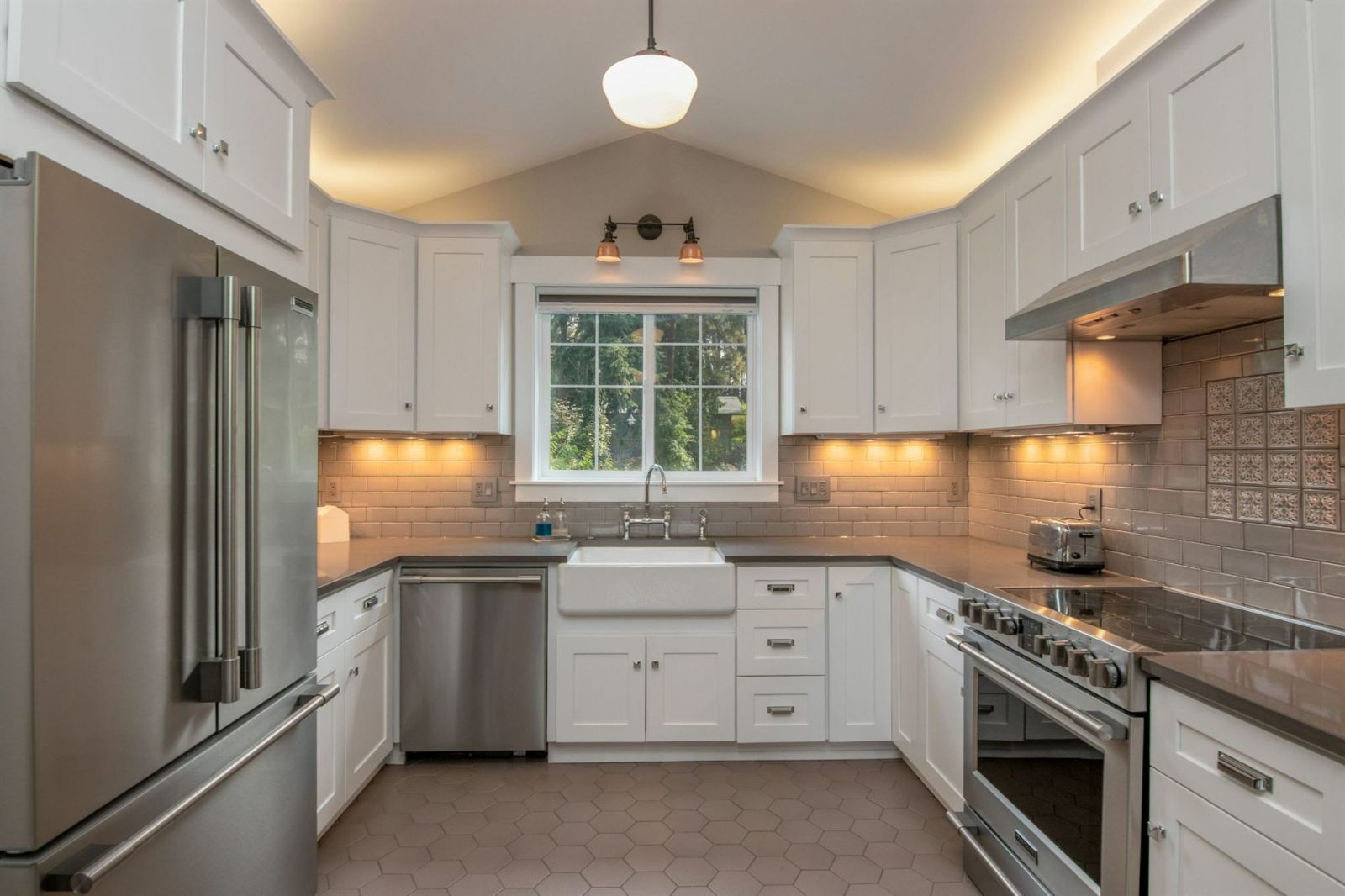
When it’s time to refresh your home or commercial property, one of the most common questions property owners ask is: Should I paint, stain, or refinish this surface?
The answer depends on the material, location, condition, and long-term goals for the space. Choosing the right approach can protect your investment, improve appearance, and reduce maintenance costs—especially in Minnesota’s demanding climate.
This guide breaks down the differences between painting, staining, and refinishing, explains when each option makes the most sense, and helps you make an informed decision before hiring professional painters or a trusted painting contractor like M. Carlson Painting.
Painting, Staining & Refinishing: What’s the Difference?
Before comparing options, it helps to understand what each service actually involves.
Painting
Painting applies a solid, opaque coating that fully covers the surface beneath it. Paint provides strong protection and allows for the widest range of colors and finishes.
Best for:
- Interior walls and ceilings
- Exterior siding and trim
- Commercial spaces needing durability and branding consistency
- Surfaces with cosmetic imperfections
Professional interior painting services and exterior painting services focus on proper prep, product selection, and application for long-lasting results.
Staining
Stain is a semi-transparent or transparent finish designed to enhance the natural beauty of wood while still offering protection.
- Decks and fences
- Wood siding
- Exposed beams and natural wood features
- Surfaces where grain and texture should remain visible
Staining penetrates the wood rather than sitting on top of it, which affects both appearance and maintenance cycles. High-performance exterior stains from Sherwin-Williams are commonly used by professional painters to ensure durability.
Refinishing
Refinishing involves restoring an existing surface by stripping, sanding, repairing, and then reapplying a finish—either paint or stain.
- Cabinets and built-ins
- Doors and trim
- Historic or high-quality woodwork
- Commercial spaces looking to update without full replacement
Refinishing can dramatically transform surfaces while preserving original materials.
How to Choose the Right Option for Your Home or Property
1. Consider the Surface Material
The type of surface plays a major role in determining the best finish.
- Drywall & plaster: Almost always painted
- Wood siding: Paint or stain, depending on condition and desired look
- Decks & fences: Typically stained for flexibility and moisture resistance
- Cabinets & trim: Often refinished or painted for durability
- Metal or masonry: Painted with specialty coatings
A professional painting contractor can evaluate whether a surface is a good candidate for staining or needs the full coverage of paint. Learn more about available options through M. Carlson Painting’s residential painting services.
2. Interior vs. Exterior Applications
Interior Surfaces
When completing an interior project, be sure to prioritize appearance, clean ability, and indoor air quality.
Painting is usually the best choice for:
- Walls and ceilings
- High-traffic areas
- Commercial interiors needing frequent maintenance
Refinishing works well for:
- Cabinets
- Wood trim
- Office millwork
Low-VOC interior paints recommended by Sherwin-Williams are often used by professional painters to balance performance and comfort.
Exterior Surfaces
Exterior finishes must withstand UV exposure, moisture, freeze-thaw cycles, and temperature swings.
- Painting provides a strong protective barrier and uniform appearance for siding and trim
- Staining allows wood to breathe and flex, which can be ideal for decks and natural wood exteriors
- Refinishing is often needed when peeling, weathering, or previous coatings fail
Check out exterior products from Sherwin-Williams are designed specifically for long-term durability in harsh climates.
3. Appearance & Design Goals
Ask yourself what visual outcome you want.
Paint if you want:
- Bold or modern colors
- A clean, consistent finish
- To hide imperfections or repairs
Stain if you want:
- A natural, organic look
- Visible wood grain
- A more rustic or traditional appearance
Refinishing if you want:
- To update the look without replacing materials
- To restore worn or outdated finishes
- A cost-effective alternative to new installations
Interior and exterior painting professionals can help match finishes to your home’s architecture or brand image for commercial spaces.
4. Maintenance & Longevity
Maintenance expectations often influence the final decision.
Painting
- Typically lasts longer than stain when properly applied
- Easier to clean and touch up
- May peel or crack if prep is poor
Staining
- Requires more frequent reapplication
- Fades gradually rather than peeling
- Easier spot maintenance for decks and fences
Refinishing
- Extends the life of existing materials
- Requires skilled labor for best results
- Ideal for high-quality wood worth preserving
Professional commercial painting services place heavy emphasis on preparation to maximize lifespan and performance.
5. Budget & Value Considerations
While upfront cost matters, long-term value matters more.
- Painting often has a higher initial cost but longer repaint cycles
- Staining may cost less initially but require more frequent upkeep
- Refinishing is usually more affordable than replacement and adds resale value
For property managers and business owners, refinishing and professional painting can significantly improve appearance without major downtime.
Why Professional Painters Make the Difference
Choosing between painting, staining, and refinishing is only part of the equation. Execution matters just as much as the product.
Professional painters provide:
- Proper surface evaluation
- Correct prep, sanding, and repairs
- Product selection based on use and environment
- Clean, efficient application
- Consistent results across residential and commercial properties
Working with an experienced painting contractor ensures every surface is treated correctly—inside and out.
Common Questions Homeowners & Property Managers Ask
Should I paint or stain my deck?
Most decks benefit from staining, which allows the wood to expand and contract naturally. Solid-color deck stains from Sherwin-Williams offer a paint-like appearance with added flexibility.
Can cabinets be refinished instead of replaced?
Yes. Cabinet refinishing is a cost-effective way to modernize kitchens and commercial breakrooms without the expense of new cabinetry.
Is painting or staining better for resale value?
Painting generally appeals to a wider audience, while stained features can add character when done professionally and maintained well.
When to Call a Professional Painting Contractor
If you’re unsure which option is right, a professional evaluation can save time and money. A qualified contractor will assess:
- Surface condition
- Moisture and exposure risks
- Existing coatings
- Desired lifespan and maintenance goals
Whether you’re a homeowner planning an upgrade or a business owner managing a property, expert guidance ensures the right solution from the start.
Ready to Make the Right Choice?
Choosing between painting, staining, and refinishing doesn’t have to be overwhelming. With the right information—and the right professionals—you can protect your surfaces, enhance curb appeal, and invest wisely.If you’re planning an interior or exterior project, contact M. Carlson Painting to discuss your goals and request a detailed estimate. Visit the contact page to schedule a consultation or request a quote today.