How Often Should You Repaint Your Home’s Exterior in Minnesota?
· updated
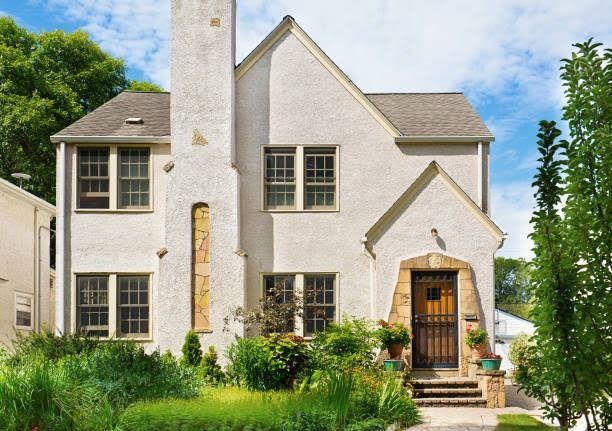
Keeping your home looking fresh and protected can be a challenge, especially with Minnesota’s changing weather. Between freezing winters, rainy springs, and hot summers, your home’s exterior takes a real beating.
Knowing how often you should repaint your home’s exterior in Minnesota helps prevent damage and maintain its beauty for years. A timely paint job doesn’t just boost curb appeal — it also shields your siding from moisture, sunlight, and wear. Let’s look at how often you should plan to repaint and what factors can affect that timeline.
The Impact of Minnesota’s Weather on Exterior Paint
Minnesota’s climate plays the biggest role in how often your home needs repainting. The state’s weather changes dramatically through the seasons — harsh winters with subzero temperatures, spring thawing and moisture, humid summers, and the freeze-thaw cycles of fall. All these conditions put stress on your exterior paint.
Paint expands and contracts as temperatures rise and fall, which can cause cracking, peeling, or bubbling over time. The constant exposure to snow, rain, and sun also breaks down the paint’s protective layer, allowing moisture to seep in and damage the wood or siding beneath. Because of these factors, most Minnesota homes need to be repainted more often than those in milder climates.
If you’d like to learn more about weatherproofing and protection, read Exterior Painting in Minnesota: Protect Your Home Against Harsh Weather — it explains how to make your home’s exterior last through even the toughest seasons.
General Timeline for Repainting in Minnesota
The average time between repaints varies depending on your home’s materials, paint quality, and exposure to the elements. In general, homes in Minnesota should be repainted every 5 to 10 years. However, this range can shift based on the surface type. Wood siding usually needs a new coat every 5 to 7 years since it’s more porous and prone to moisture damage.
Aluminum or vinyl siding can last 7 to 10 years between paint jobs if well maintained. Stucco and fiber cement siding may last up to 10 years or more, depending on the paint used and weather exposure. Regular inspection of your home’s exterior can help you catch early signs that it’s time for a fresh coat.
The Role of Paint Quality and Preparation
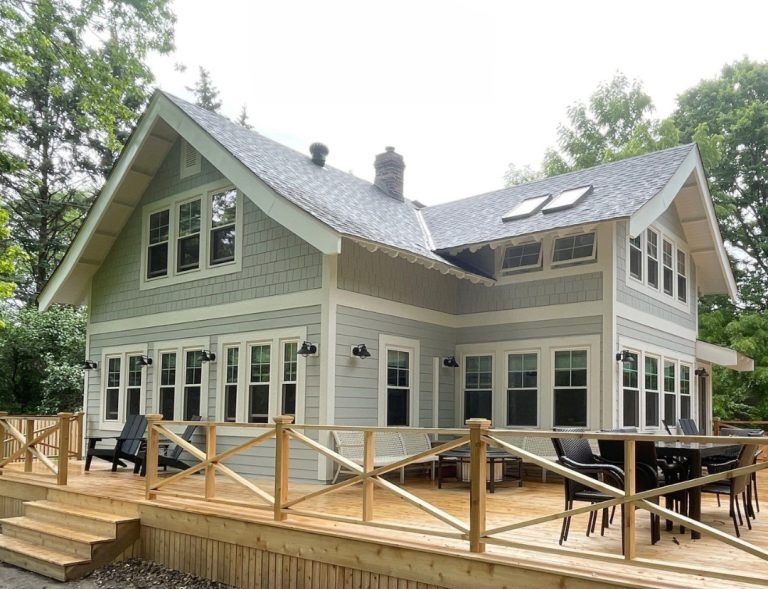
The type and quality of paint you choose have a major impact on how long your exterior paint will last. High-quality paints designed for cold climates provide better adhesion, flexibility, and UV resistance. They can handle Minnesota’s temperature swings without cracking or peeling as quickly. Equally important is surface preparation.
A proper paint job starts with scraping off loose paint, cleaning the surface thoroughly, sanding rough spots, and applying a high-quality primer. Skipping these steps or rushing through them will shorten the lifespan of even the best paint. Investing in professional painting services can ensure your home gets the right preparation and application to last through several Minnesota winters.
For insight into why hiring experts pays off, see The True Cost of a Bad Paint Job: Why Professional Painting Saves You Money — it breaks down how quality work actually reduces long-term expenses.
Signs It’s Time to Repaint Your Home
Rather than waiting for a set number of years, the best way to know when to repaint is by watching for visible signs of wear. Peeling, flaking, or bubbling paint are clear warnings that your current coat has lost its grip. Faded or chalky color also indicates the paint’s protective layer is breaking down from sun exposure.
If you notice exposed wood, cracks, or dark stains, those are signs that moisture has already started to penetrate. In Minnesota’s wet and cold conditions, ignoring these symptoms can lead to rot, mold, or costly siding repairs. Catching them early and repainting promptly helps prevent much bigger problems later on.
Material Matters: Different Siding Types, Different Needs
Your home’s exterior material determines how the paint behaves and how long it lasts. Wood siding, while beautiful, is highly sensitive to moisture and temperature changes. It needs regular repainting and sealing to prevent rot. Brick exteriors usually don’t require frequent painting unless you’ve chosen to add a painted finish; in that case, repainting every 10 to 15 years is typical.
Vinyl siding holds paint fairly well, but color fading can occur faster in direct sunlight, requiring touch-ups or repainting every decade or so. Fiber cement siding is one of the most durable options and can maintain its finish for 10 to 15 years with proper care. Knowing your siding type helps you set realistic expectations for maintenance.
How Sun Exposure and Shade Affect Paint Longevity
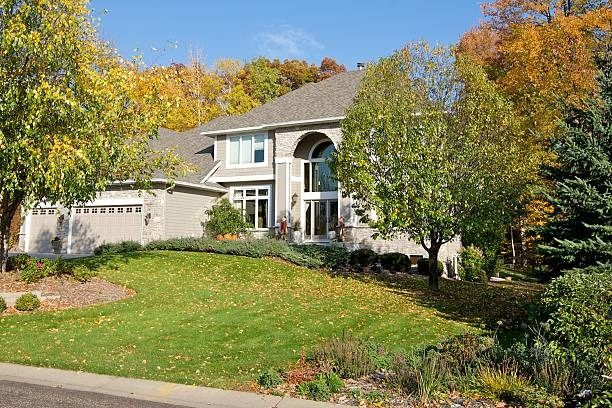
The direction your home faces can also influence how long your paint lasts. Homes with large south- or west-facing walls get more direct sunlight, which causes paint to fade and break down faster. Ultraviolet rays from the sun can make darker colors lose their richness and lighter shades appear dull or yellowish over time.
On the other hand, shaded or north-facing walls tend to hold their color longer but may experience more moisture-related issues like mildew or algae growth. Balancing both conditions means choosing the right type of paint and color suited for your home’s environment.
Maintenance Tips to Extend the Life of Your Paint
Regular maintenance can make your paint job last several years longer. Start by washing your home’s exterior at least once a year to remove dirt, pollen, and mildew. This not only keeps your home looking fresh but also prevents buildup that can trap moisture against the surface.
Trim back trees and shrubs that are too close to the house, as they can scrape the paint and block air circulation, leading to dampness and decay. Touch up small chips and cracks as soon as they appear to stop them from spreading. A little maintenance each year can save you from a full repaint sooner than necessary.
Choosing the Right Time of Year to Repaint
Timing your exterior painting project is essential in Minnesota, where weather can change quickly. The best time to repaint your home’s exterior is during late spring through early fall when temperatures stay consistently between 50°F and 85°F.
During these months, humidity is lower, and paint can dry evenly without freezing or trapping moisture. Painting during cold or overly humid weather can lead to poor adhesion and uneven finishes. It’s always wise to check the forecast before starting, since even a light drizzle or overnight frost can affect the outcome of your paint job.
The Benefits of Repainting Beyond Appearance

A fresh coat of paint does more than improve your home’s curb appeal. It serves as a vital barrier against Minnesota’s unpredictable climate. Quality exterior paint helps seal out moisture, protect against UV rays, and prevent mold or insect damage. Repainting also gives you the opportunity to inspect your home’s exterior for any hidden damage or decay.
Taking care of small issues like cracks, warped boards, or caulking gaps before they worsen can save you significant repair costs down the road. Additionally, maintaining a freshly painted home can increase its market value, making it more attractive to potential buyers. To see just how powerful paint can be in boosting home appeal, explore From Dull to Dramatic: How Paint Increases Your Home’s Value.
Professional Painting vs. DIY: What’s Best for You
While repainting your home’s exterior yourself can seem like a cost-saving option, it requires a lot of time, effort, and skill. Professional painters have the tools and experience to handle Minnesota’s specific climate challenges, ensuring your paint adheres properly and lasts as long as possible.
They also know how to select the right type of paint for different surfaces and weather conditions. DIY painting can still be a good option for smaller touch-ups or if you have experience and the right equipment, but for a full repaint, professional work often pays off in quality and longevity.
Conclusion
In Minnesota, repainting your home’s exterior is about more than just aesthetics — it’s an important part of protecting your home from the state’s extreme weather. On average, expect to repaint every 5 to 10 years depending on your siding type, paint quality, and how well you maintain it.
By keeping an eye out for signs of wear, choosing quality materials, and performing regular maintenance, you can extend the life of your exterior paint and keep your home looking great year-round. Whether you hire professionals or take the project on yourself, a well-timed repaint will keep your Minnesota home beautiful, durable, and well-protected for many seasons to come.