Why Paint Fails: 7 Common Reasons Paint Peels, Cracks, or Bubbles
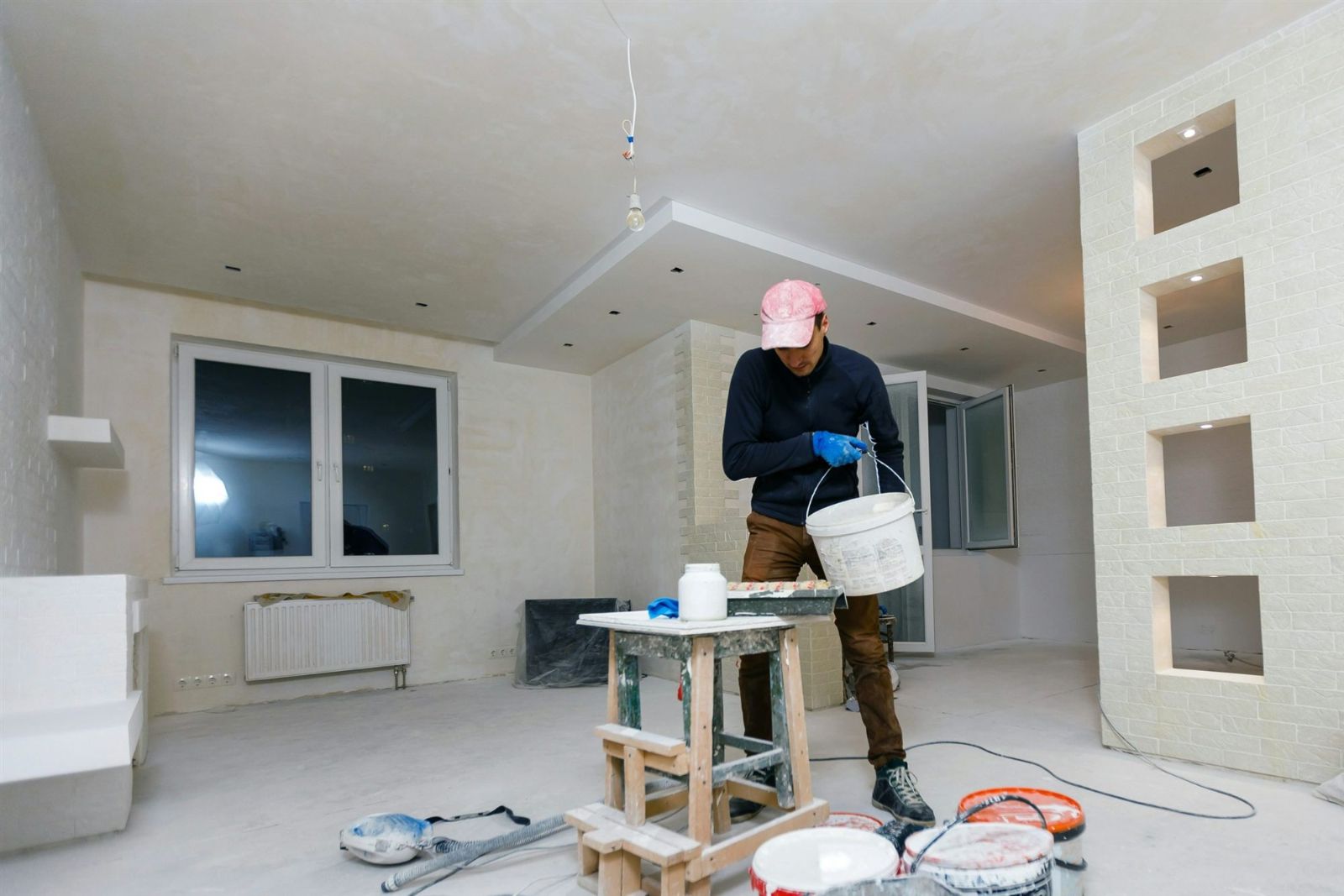
If you’ve ever noticed peeling, cracking, or bubbling paint on your walls or exterior surfaces, you’re not alone. These issues are some of the most common concerns homeowners and property managers face — and they almost always point to underlying problems.
Understanding why paint peels or fails is the first step to preventing it. Whether you’re dealing with interior walls or exterior siding, paint failure is usually caused by improper preparation, environmental factors, or product selection.
Below are the 7 most common reasons paint fails — and how professional painting contractors prevent these issues.
1. Poor Surface Preparation
The number one reason paint fails is inadequate prep work.
Before any paint is applied, surfaces must be:
- Clean
- Dry
- Smooth
- Free of loose or peeling paint
Skipping prep can lead to:
- Peeling
- Uneven adhesion
- Early failure
Sherwin-Williams emphasizes that proper surface preparation is critical for long-term coating performance.
Professional painters invest significant time in preparation because it directly impacts durability.
If you’re planning a project, our interior painting services include thorough prep to ensure long-lasting results.
2. Moisture Problems
Moisture is one of the most damaging factors for both interior and exterior paint.
Common sources include:
- Leaks
- High humidity
- Condensation
- Poor ventilation
When moisture gets trapped beneath paint, it causes:
- Bubbling
- Blistering
- Peeling
Exterior surfaces in Minnesota are especially vulnerable due to snow, ice, and seasonal humidity.
If moisture damage is present, it should be addressed before repainting — otherwise, the problem will return.
3. Using Low-Quality Paint or Wrong Products
Not all paints are created equal.
Lower-quality paints may:
- Lack proper adhesion
- Fade faster
- Fail under temperature changes
- Require more frequent repainting
Sherwin-Williams provides guidance on choosing durable coatings designed for specific environments.
Using the right paint for the right surface — especially in Minnesota’s climate — is essential.
Professional painting contractors select products based on surface type, exposure, and usage.
4. Skipping or Using the Wrong Primer
Primer plays a critical role in paint performance.
It helps:
- Seal porous surfaces
- Improve adhesion
- Block stains
- Ensure even coverage
Without proper priming, paint may:
- Peel prematurely
- Appear uneven
- Fail to bond correctly
This is especially important when:
- Painting over stained wood
- Covering dark colors
- Working with new drywall
Professional painters carefully match primers to each project for maximum durability.
5. Painting in the Wrong Weather Conditions
Environmental conditions matter — especially for exterior painting.
Problems occur when painting in:
- Extreme heat
- Cold temperatures
- High humidity
- Direct sunlight
These conditions can cause:
- Improper drying
- Cracking
- Blistering
- Weak adhesion
Minnesota’s climate makes timing critical. That’s why experienced teams offering exterior painting services carefully schedule projects around optimal weather windows.
6. Applying Too Few (or Too Many) Coats
Paint needs the right number of coats to perform properly.
Too few coats can result in:
- Thin coverage
- Visible streaks
- Reduced durability
Too many coats can lead to:
- Excess buildup
- Cracking over time
Professional painters follow manufacturer recommendations for film thickness and coverage to ensure long-term performance.
7. Not Allowing Proper Cure Time
Drying and curing are not the same thing.
Paint may feel dry within hours, but full curing can take days or even weeks depending on the product and environment.
Using surfaces too soon can cause:
- Smudging
- Scratches
- Premature wear
This is especially important for:
- Cabinets
- Doors
- High-touch areas
Allowing proper cure time ensures the finish reaches full durability.
Interior vs. Exterior Paint Failure
Paint failure looks different depending on where it occurs.
Interior Paint Problems
- Scuffing and wear
- Peeling in bathrooms
- Staining or discoloration
Often caused by:
- Humidity
- Improper cleaning
- High traffic
Exterior Paint Problems
- Cracking and peeling
- Fading
- Wood exposure
- Weather exposure
- Moisture intrusion
- UV damage
Understanding the difference helps determine the right solution.
How Professional Painters Prevent Paint Failure
Professional painting contractors don’t just apply paint — they follow a system designed for durability.
This includes:
- Detailed surface preparation
- Moisture assessment
- Proper primer selection
- High-quality coatings
- Correct application techniques
- Controlled dry and cure times
At M. Carlson Painting, every project is approached with long-term performance in mind — not just appearance.
Whether you need residential painting services or large-scale commercial painting services, the goal is to prevent issues before they start.
When to Repair vs. Repaint
If your paint is already failing, the next step depends on severity.
Repair May Be Enough If:
- Damage is localized
- Surface is otherwise intact
- Paint is relatively new
Repainting Is Recommended If:
- Peeling is widespread
- Moisture damage is present
- Paint is several years old
- Multiple failure points exist
A professional evaluation can determine the best approach.
Minnesota-Specific Challenges
Homes in Minnesota face unique conditions that increase the risk of paint failure:
- Freeze-thaw cycles
- Snow and ice buildup
- Summer humidity
- UV exposure
These factors make proper prep, product selection, and timing even more important.
Working with local painting contractors ensures your project is designed to handle these conditions.
The Bottom Line: Paint Failure Is Preventable
Most paint problems are not caused by the paint itself — they’re caused by how it was applied.
By addressing:
- Preparation
- Product quality
- Environmental conditions
- Application methods
You can significantly extend the life of your paint.
If you’re dealing with peeling, cracking, or bubbling paint — or want to avoid these issues altogether — it’s worth getting expert guidance.
You can contact M. Carlson Painting to request a consultation and receive a professional assessment of your surfaces.