From Prep to Perfection: What to Expect During a Professional Paint Job
· updated
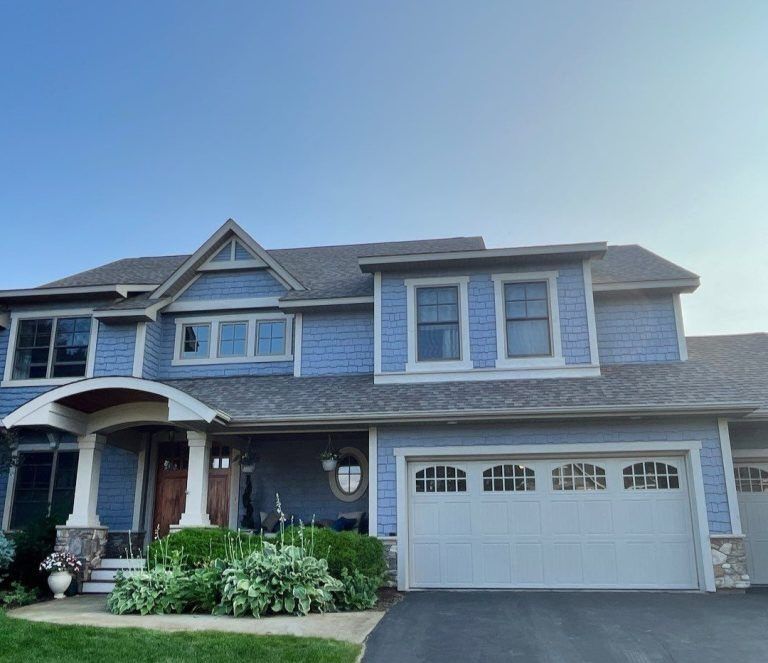
A professional paint job is more than just adding a fresh coat of color—it’s a careful process that brings lasting beauty and value to your home. From surface preparation to the final brushstroke, each step plays a key role in achieving smooth, flawless results.
Knowing what to expect during a professional paint job helps you plan better and ensures you get the finish you’ve envisioned. With skilled painters, quality materials, and attention to detail, the transformation can be both efficient and impressive, leaving your space looking refreshed and well-cared for.
Initial Consultation and Inspection
The process usually begins with a detailed consultation. A professional painter will visit your property to discuss your goals, preferred colors, finishes, and the overall look you want to achieve. During this stage, the painter also inspects the condition of your walls, ceilings, or exteriors.
They’ll identify cracks, peeling paint, moisture damage, or surface irregularities that need attention before painting begins. This inspection is essential because addressing these issues early helps create a smooth surface and ensures that the new paint adheres properly.
The consultation also gives you a chance to ask questions, discuss your budget, and review the estimated timeline. A clear conversation at this stage sets expectations and helps prevent misunderstandings later on. If you’re also thinking about how painting can boost your home’s appeal, check out From Dull to Dramatic: How Paint Increases Your Home’s Value to learn how a fresh finish can make a lasting impression.
Detailed Surface Preparation
Proper preparation is the foundation of any great paint job. This stage often takes more time than the painting itself, but it’s what separates a professional result from an average one. Surfaces must be cleaned thoroughly to remove dust, grease, or old paint residue.
For interior projects, furniture is moved or covered, and floors are protected with drop cloths. On the exterior, areas are power-washed to eliminate dirt, mildew, and loose paint. After cleaning, the painter sands rough spots and repairs imperfections like holes, cracks, or dents.
Caulking gaps and priming problem areas ensures that the surface is smooth and ready for paint. A well-prepared surface not only improves the final look but also helps the paint last much longer. For Minnesota homeowners, preparation is especially important because of the state’s changing seasons. Learn more in Exterior Painting in Minnesota: Protect Your Home Against Harsh Weather for tips on keeping your exterior strong year-round.
Color Selection and Finishing Options

Choosing the right color is one of the most exciting parts of the process. Professionals often help homeowners select shades that complement the lighting, décor, and architecture of the space. They may provide color samples or paint small sections of the wall so you can see how a color looks throughout the day.
In addition to color, you’ll also need to choose the type of finish—matte, satin, eggshell, semi-gloss, or high-gloss. Each has a different appearance and durability level. For example, flat finishes are ideal for hiding wall imperfections, while glossy finishes are easier to clean and great for trim or doors. Your painter will guide you in selecting a finish that fits both your style and the function of the space.
Protecting and Masking Areas
Before painting begins, painters take care to protect areas that should not be painted. This includes taping edges, covering windows, doors, switches, and light fixtures. Baseboards and trim are also masked carefully. Proper masking prevents accidental splatters and ensures clean, straight lines between colors or surfaces.
This step might seem minor, but it reflects the professionalism and attention to detail of a skilled painter. Taking the time to protect the surroundings saves you from the frustration of cleaning up drips or repainting edges later.
Priming for Durability and Adhesion
Priming is often an overlooked step, but it’s a crucial part of a professional paint job. Primer creates a uniform base that allows paint to adhere properly and enhances color accuracy. It’s especially important when painting over dark colors, glossy surfaces, or bare drywall.
In older homes, primer helps seal porous areas and prevents stains from bleeding through the paint. Using the right type of primer also adds to the durability of the finish. A professional painter understands which primer works best for each surface, whether it’s wood, metal, plaster, or concrete.
Applying the Paint
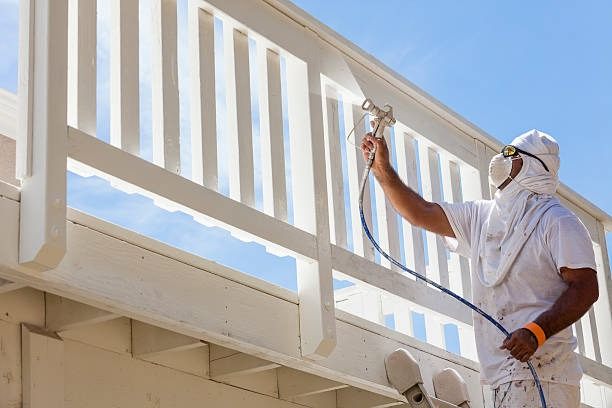
Once the surfaces are ready, the painting finally begins. Professionals use high-quality brushes, rollers, and sprayers to ensure an even and consistent finish. Depending on the area, multiple coats may be applied to achieve the right depth of color and coverage. Each coat is allowed to dry fully before applying the next one, preventing streaks and uneven patches.
For interior spaces, proper ventilation is maintained to help the paint dry faster and to reduce odors. On exterior projects, weather conditions are closely monitored—painting is avoided on extremely hot, cold, or humid days, as these can affect the paint’s performance.
Attention to Detail and Technique
A professional paint job stands out because of the painter’s technique and precision. Edges are carefully cut in, corners are smoothly blended, and textures are consistent across all surfaces. Skilled painters know how to handle different materials—drywall, brick, wood, or stucco—ensuring each one receives the right treatment.
They also pay attention to small but important details like brush strokes, roller marks, and color transitions. The goal is to deliver a clean, smooth, and polished look that enhances the character of your space.
Clean-Up and Final Inspection
Once the paint is dry and the work is complete, the clean-up process begins. Professionals remove tape, protective coverings, and equipment, leaving your space neat and tidy. Floors are vacuumed or swept, and any leftover paint is neatly stored or labeled for future touch-ups.
After cleaning, the painter conducts a final inspection to ensure everything meets quality standards. This is your opportunity to walk through the space together, note any areas that might need an extra touch, and confirm your satisfaction. A reputable painting company will never consider the job complete until you’re fully pleased with the result.
Maintenance and Care Tips

After the paint job is finished, proper care helps maintain its beauty for years to come. Professional painters often share useful maintenance advice, such as how long to wait before cleaning painted surfaces and which cleaning products are safe to use. For high-traffic areas, gentle washing with mild soap and water keeps walls looking fresh.
Exterior paint may require periodic inspection, especially after harsh weather, to check for peeling or fading. With simple upkeep, a quality paint job can retain its color and finish for many years, protecting your home from wear and tear. To see how good maintenance and quality painting save you money, read The True Cost of a Bad Paint Job: Why Professional Painting Saves You Money for helpful insights.
Benefits of Hiring Professionals
While do-it-yourself painting can seem tempting, hiring professionals ensures better results, fewer mistakes, and long-term value. Experts bring experience, the right tools, and knowledge of paint types and application techniques. They also complete the project more efficiently, saving you time and minimizing disruption to your routine.
Professional painters take care of every step—from preparation to perfection—so you can enjoy a smooth process and stunning outcome. The precision and care that go into a professional paint job make a noticeable difference, not just in appearance but also in durability and overall satisfaction.
Conclusion
A professional paint job is a thoughtful blend of preparation, skill, and artistry. Each stage—from initial consultation to the final inspection—plays a vital role in achieving a flawless finish. By understanding what to expect during a professional paint job, you can confidently plan your project and appreciate the craftsmanship behind the transformation.
With careful preparation, the right materials, and expert hands, your space can truly move from prep to perfection—offering lasting beauty and value for years to come.