What Time of Year Is Best for Painting in Minnesota? (Season-by-Season Guide)
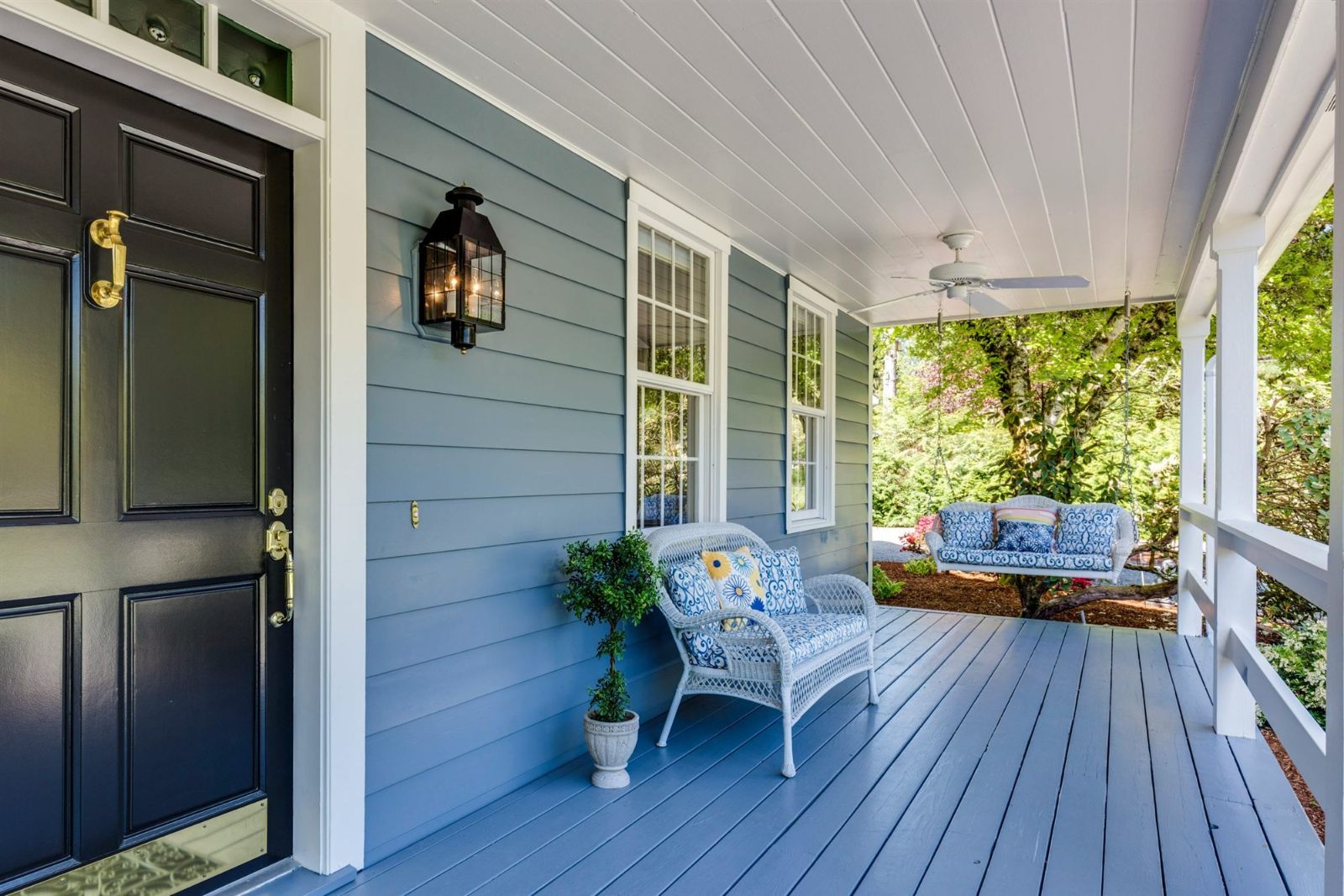
If you’re planning a painting project, timing matters more than most homeowners realize — especially in Minnesota. Weather conditions, humidity, and temperature swings can all impact how paint adheres, cures, and performs over time.
So what is the best time to paint a house in Minnesota?
The answer depends on whether you’re planning interior or exterior painting — and what your goals are for durability, scheduling, and cost.
This season-by-season guide will help you plan your project with confidence.
Why Timing Matters for Painting Projects
After paint is applied — it cures and bonds to surfaces over time. Environmental conditions directly affect:
● Adhesion
● Drying time
● Finish quality
● Long-term durability
Sherwin-Williams explains that proper temperature and surface conditions are critical for coating performance.
Working with experienced painting contractors ensures your project is scheduled during optimal conditions.
Spring Painting in Minnesota (March–May)
Spring marks the start of the exterior painting season, but conditions can still be unpredictable.
Pros of Spring Painting
● Ideal time to schedule projects early
● Surfaces begin to dry after winter
● Good time for inspections and prep
Challenges
● Rain and moisture delays
● Temperature fluctuations
● Limited early-season availability
Spring is a great time to plan and secure your spot with a professional team. Many homeowners begin reaching out for residential painting services during this time to prepare for summer work.
Summer Painting in Minnesota (June–August) Summer is the most popular time for exterior painting services — and for good reason. Why Summer Is Ideal for Exterior Painting
● Consistent temperatures
● Longer daylight hours
● Faster drying and curing
● Lower risk of moisture issues
Exterior paint performs best when temperatures remain stable and humidity is controlled. Sherwin-Williams highlights how proper conditions improve paint performance and longevity.
Considerations
● High demand can limit availability
● Extreme heat may require adjusted work schedules
If you’re planning an exterior project, summer is often the safest and most effective window.
Learn more about our exterior painting services and how we schedule projects around ideal weather conditions.
Fall Painting in Minnesota (September–October) Fall is often overlooked — but it can be one of the best times for painting.
Advantages of Fall Painting:
● Cooler, stable temperatures
● Lower humidity
● Less scheduling congestion
● Ideal for both interior and exterior projects
Limitations
● Shorter daylight hours
● Narrow window before cold temperatures arrive
Fall is especially effective for completing exterior work before winter and transitioning into interior updates.
Many homeowners pair exterior touch-ups with interior upgrades through interior painting services during this season.
Winter Painting in Minnesota (November–February)
Exterior painting is not recommended during Minnesota winters — but interior painting is in high demand.
Why Winter Is Ideal for Interior Painting
● Flexible scheduling
● Faster project turnaround
● Less disruption to exterior work
● Easier access to contractors
Interior environments are controlled, making temperature and humidity manageable year-round.
Best Winter Projects
● Whole-home interior painting
● Cabinet refinishing
● Trim and door updates
● Commercial repainting
Our commercial painting services often take place during winter months to minimize business disruption.
Interior vs. Exterior Painting: Seasonal Priorities Understanding how to prioritize projects based on the season can help you plan efficiently.
Exterior Painting Should Be Prioritized When:
● Paint is peeling or failing
● Wood or siding is exposed
● Moisture damage is present
● Entering harsh weather seasons
Interior Painting Is Ideal When:
● You want to update aesthetics
●Preparing to sell
● Remodeling or upgrading finishes
● Exterior conditions are not urgent
Professional painting contractors can help you determine which project should come first based on your property’s condition.
Minnesota Climate Considerations
Minnesota’s climate is one of the biggest factors in painting timelines.
Key environmental challenges include:
● Freeze-thaw cycles
● High humidity in summer
● Snow and ice exposure
● Rapid temperature swings
These conditions make proper timing and product selection critical.
Sherwin-Williams offers guidance on selecting coatings designed to perform in varying climates:
Working with a local expert like M. Carlson Painting ensures your project is aligned with these conditions.
When Should You Schedule Your Painting Project? Timing your project isn’t just about weather — it’s also about availability.
Best Time to Book
● Late winter or early spring for summer exterior projects
● Late summer for fall scheduling
● Anytime for interior winter projects
Planning ahead helps secure preferred dates and ensures your project fits your timeline.
How Professional Painters Handle Seasonal Challenges
Experienced painting contractors don’t just work around the weather — they plan for it.
Professional crews:
● Monitor temperature and humidity
● Adjust schedules based on conditions
● Use appropriate coatings for each season
● Allow proper dry and cure times
Sherwin-Williams emphasizes how preparation and application conditions impact long-term performance.
Choosing experienced professionals ensures your paint lasts, regardless of when the project is completed.
The Bottom Line: What’s the Best Time to Paint? For most Minnesota homeowners:
● Exterior painting: Late spring through early fall
● Interior painting: Anytime, with winter offering the most flexibility
The best time ultimately depends on your goals, your home’s condition, and your schedule.
Lastly, if you’re unsure when to start your project, a professional consultation can help you plan the right timeline.
You can contact M. Carlson Painting to schedule a consultation and receive expert guidance tailored to your home or commercial property.
All in all, painting at the right time ensures better results, longer-lasting finishes, and a smoother overall experience.